Catering Insurance in Kentucky
We provide Catering Insurance solutions to Kentucky businesses.

Catering Insurance at Holly McMillin Insurance Group
What is catering insurance and who needs it in Kentucky?
Operating a food-based business involves a unique set of physical and financial risks that standard business policies often fail to address. A specialized catering insurance policy, sometimes called caterer insurance, is designed to protect culinary professionals, event chefs, and mobile food vendors from the specific hazards they face every day. This coverage acts as a financial safety net against claims of bodily injury, property damage, and illnesses related to the food you prepare and serve. Whether you operate a large banquet facility or a small independent mobile kitchen, having the right protection ensures that a single accident does not jeopardize your entire livelihood.
Professionals who transport food, cook on-site at third-party venues, or serve large crowds face constant exposure to unpredictable environments. A dropped tray of hot food, a guest slipping on a wet floor near the buffet, or an accidental fire in a rented kitchen can all lead to severe financial consequences. To mitigate these risks, operators rely on robust food service liability coverage to handle legal defense costs, medical bills, and potential settlements. This specific layer of protection is essential for anyone handling raw ingredients, managing temperature controls, and serving the public.
In the state of Kentucky, business owners must navigate various local regulations and venue requirements before they can even book an event. Commercial landlords, wedding venues, and corporate clients typically require proof of active coverage before allowing a vendor on their premises. The Kentucky Department of Insurance oversees the carriers that provide these commercial policies, ensuring that the market remains stable and that businesses have access to necessary protection. By securing a tailored policy, culinary professionals can focus on delivering exceptional dining experiences rather than worrying about the financial fallout of an unexpected disaster.
Get a Quote
What is a real-world example of catering insurance protection in Kentucky?
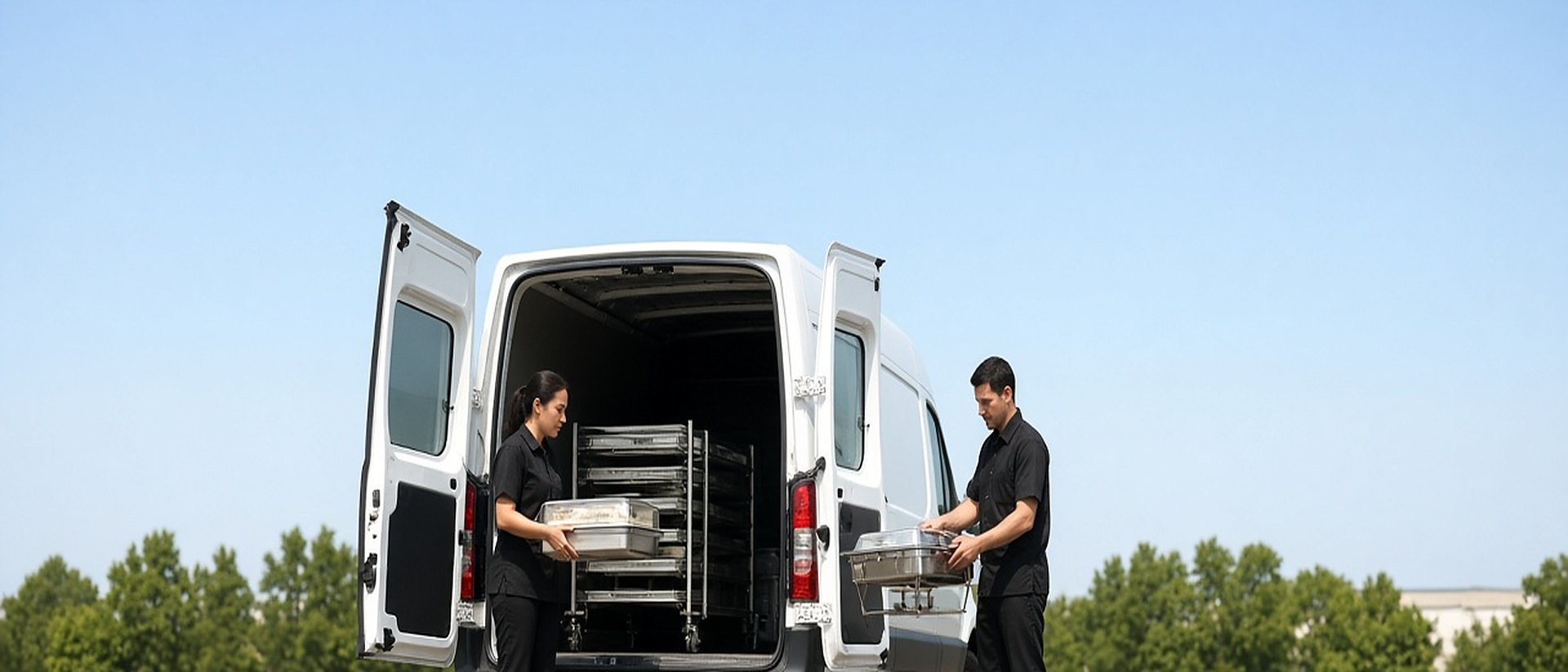
Understanding how a food service liability policy responds to an actual emergency helps clarify the value of this protection. Consider a scenario where a local catering company is hired to manage food and beverage service for a large outdoor wedding. During the event, a sudden storm causes the vendor’s tent to collapse, damaging expensive rented cooking equipment and injuring a guest. Without proper coverage, the business owner would be personally responsible for replacing the equipment and paying the injured guest’s medical bills. Instead, the property and liability portions of their policy step in to cover the damages, preventing a catastrophic out-of-pocket loss.
Another common scenario involves foodborne illness claims. Even with strict adherence to the safety guidelines enforced by the Kentucky Cabinet for Health and Family Services, improper holding temperatures during transit can cause guests to fall ill. If multiple attendees require medical attention and decide to sue the caterer, the legal fees alone could bankrupt a small operation. The liability portion of the policy provides for legal defense and pays any resulting settlements, allowing the business to survive the ordeal.
To better illustrate how different culinary operations utilize this protection, the table below outlines typical claim scenarios and the corresponding coverage types.
| Business Type | Common Claim Scenario | Coverage Protection Applied |
|---|---|---|
| Wedding Caterers | Guest slips on spilled beverage near the buffet line | General Liability |
| Mobile Food Trucks | Traffic accident while transporting hot food to a venue | Commercial Auto |
| Private Event Chefs | Accidental fire damage to a client’s residential kitchen | Property Damage Liability |
| Corporate Event Vendors | Multiple guests contract a foodborne illness | Products and Completed Operations |
These examples highlight the unpredictable nature of off-site food preparation. Vendors operate in unfamiliar environments, making it impossible to control every variable. A well-structured policy transfers these inherent risks to the insurance carrier, ensuring that the business can recover and continue operations even after a significant incident.
Here’s what our clients are saying
How much does catering insurance cost in Kentucky?
The cost of catering insurance varies significantly based on the specific characteristics of your culinary operation. Carriers evaluate several qualitative factors to determine premiums, including your annual revenue, total payroll, claims history, and the geographic radius of your operations. A business that serves alcohol or employs a large staff will naturally face higher premiums than a solo operator preparing food in a rented commissary kitchen. Because exact numerical rates cannot be guaranteed without a formal underwriting process, it is best to view costs in terms of risk tiers.
Below is a qualitative pricing table that illustrates how different operational factors influence the overall cost of a policy in Kentucky. Rate filings and carrier guidelines are monitored by the Kentucky Department of Insurance to ensure fair pricing practices.
| Operational Size and Scope | Risk Level | Estimated Premium Impact |
|---|---|---|
| Solo operator, no employees, no alcohol service | Low Risk | Base Level Pricing |
| Mid-sized team, regional travel, occasional alcohol service | Moderate Risk | Mid-Tier Pricing |
| Large staff, frequent interstate travel, full liquor service | High Risk | Premium Pricing |
Working with an independent agent allows you to compare quotes from multiple carriers to find a rate that aligns with your specific budget and risk profile.
What should you consider when looking for caterer insurance in Kentucky?
When selecting a policy, it is crucial to understand both the protections and the limitations of your coverage. Not all policies are created equal, and off-the-shelf commercial plans often exclude risks that are specific to the culinary industry. One primary consideration is the distinction between general premises liability and product liability. While general coverage protects against slip-and-fall accidents, you must ensure your policy explicitly includes products and completed operations coverage to protect against foodborne illness claims. Without this specific inclusion, a widespread contamination incident could leave your business entirely exposed.
Another critical factor is the transportation of goods and equipment. Standard commercial property policies typically only cover items while they are located at your primary business address. If you are transporting expensive ovens, warming trays, and ingredients to an event venue, you will need inland marine coverage to protect those assets while in transit. Additionally, business owners must be aware of common policy exclusions. Most liability policies strictly exclude intentional acts, fraudulent behavior, and claims related to communicable diseases unless a specific endorsement is purchased.
If your operation includes the service of alcoholic beverages, you face an entirely different set of legal exposures. Standard food service liability policies exclude alcohol-related incidents. Under state dram shop laws, establishments can be held legally responsible if they overserve a patron who subsequently causes property damage or injury. To mitigate this severe risk, businesses must secure a separate liquor liability policy. Carefully reviewing your contracts with venues and clients will help you identify exactly which endorsements and limits are required to remain compliant and fully protected before you serve your first guest.

What other insurance coverages are commonly paired with catering insurance?
A standalone liability policy is rarely enough to protect a growing culinary business. Most operators bundle several distinct coverages together to create a robust safety net that addresses property, personnel, and vehicular risks. For example, if you require your staff to drive company-owned vans to event sites, commercial auto coverage is a legal necessity. Similarly, protecting your workforce requires specific regulatory compliance.
The Kentucky Department of Workers’ Claims mandates that businesses with employees carry workers’ compensation coverage to handle medical expenses and lost wages for work-related injuries. The table below compares the most common coverages paired with a primary catering insurance policy.
| Related Coverage Type | Primary Purpose | Common Culinary Application |
|---|---|---|
| Commercial Auto | Protects vehicles owned by the business | Covering delivery vans and mobile kitchens during transit |
| Workers’ Compensation | Covers employee injuries and lost wages | Paying medical bills for a chef burned in the kitchen |
| Inland Marine | Protects equipment in transit or off-site | Replacing dropped or damaged warming trays at a venue |
| Liquor Liability | Covers damages caused by intoxicated guests | Defending a caterer after a guest causes an accident post-event |
By bundling these related policies, culinary professionals can close dangerous coverage gaps and ensure they are protected from the kitchen to the event venue.











What are key catering insurance trends in Kentucky?
The culinary event industry is constantly evolving, and the risk management strategies that support it must adapt accordingly. One of the most significant trends is the increasing demand for farm-to-table and locally sourced menus. While this approach appeals to consumers, it introduces new supply chain risks. Relying on small, local farms means that operators must carefully vet their suppliers’ own product liability coverages. If a local ingredient causes a foodborne illness outbreak, the caterer and the supplier could both face severe legal scrutiny. Health inspectors from the Kentucky Cabinet for Health and Family Services are placing greater emphasis on ingredient traceability, making it essential for vendors to maintain impeccable sourcing records.
Another major trend is the rapid digitization of event planning. Most modern culinary businesses rely on digital platforms for booking, invoicing, and storing client data. This shift has led to a sharp increase in cyber liability exposures. If a hacker breaches a vendor’s payment system and steals clients’ credit card information, the resulting notification costs and reputational damage can be devastating. As a result, more operators are adding cyber liability endorsements to their standard commercial packages to protect against data breaches and ransomware attacks.
Finally, economic factors such as inflation are impacting property coverage limits. The cost to replace commercial kitchen equipment, specialized delivery vehicles, and high-end serving ware has increased steadily. Business owners who fail to update their property limits annually risk being underinsured in the event of a total loss, such as a severe kitchen fire. Regularly reviewing policy limits with an agent ensures that coverage keeps pace with the rising costs of equipment and materials in the current economic environment.
Who needs catering insurance and how can you get a quote in Kentucky?
This specialized coverage is designed for a wide variety of culinary professionals who prepare and serve food outside of a traditional restaurant setting. Independent event chefs, mobile food truck operators, corporate lunch vendors, and large-scale wedding caterers all require this protection to operate legally and safely. Even if you only work part-time or handle a few small events per year, the liability exposures remain exactly the same. Venues, corporate clients, and local municipalities will almost always require a certificate of insurance before allowing you to sign a contract or set up your equipment on their property. Operating without this essential safety net leaves your personal assets, your business equipment, and your future revenue entirely exposed to unpredictable risks.
Navigating commercial policy requirements can feel overwhelming, but you do not have to do it alone. We help hundreds of customers secure the exact catering insurance and food service liability protection they need to satisfy venue requirements and grow their businesses with confidence. Our team understands the unique challenges faced by culinary professionals, from seasonal revenue fluctuations to complex liquor liability requirements. We take the time to evaluate your specific operational risks and match you with a carrier that offers the best combination of coverage and value.
We are proud to maintain a highly rated Google My Business page, reflecting our commitment to exceptional customer service and transparent advice. Our knowledgeable agents are ready to answer your questions, explain your options, and provide competitive pricing tailored to your exact needs. We can offer complete quotes without any sort of obligation or pressure. Contact us today to discuss your business operations, review your current coverage gaps, and build a customized policy that protects your culinary enterprise for years to come.
Get in touch with our team!
For questions or concerns, please get in touch!
Email: info@hollymcmillininsurance.com
807 Main Street, Paris, Kentucky 40361
Mon-Thurs 9am-5pm; Fri 9am-4pm