Dance Studio Insurance in Kentucky
We provide Dance Studio Insurance solutions to Kentucky businesses.
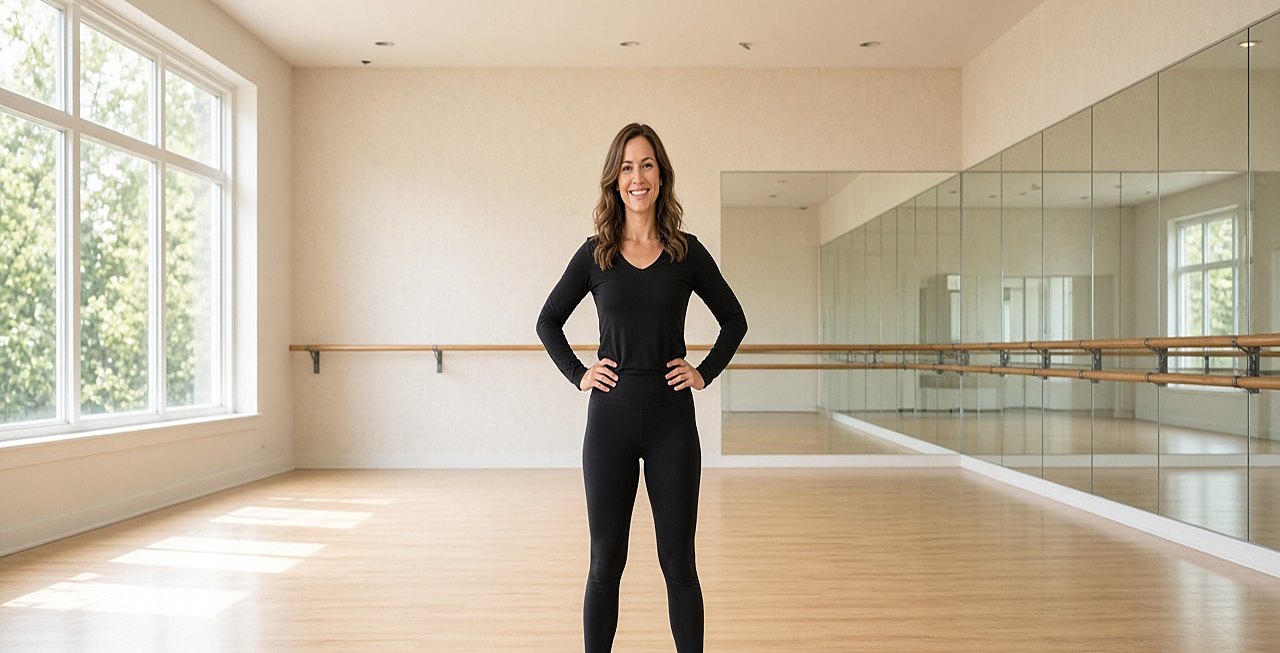
Dance Studio Insurance at Holly McMillin Insurance Group
What is dance studio insurance and who may need it?
Operating a facility where students learn ballet, tap, jazz, or hip-hop involves unique physical and financial risks that require careful management. What is dance studio insurance? It is a specialized commercial policy, sometimes called dance class insurance, designed specifically to protect owners, independent instructors, and administrative staff from the severe financial fallout of unexpected accidents, property damage, and professional liability claims. This coverage steps in when unforeseen events threaten the daily operations and long-term survival of your business.
Whether you run a small independent ballet academy in a leased storefront or manage a large competitive training facility with multiple practice rooms, protecting your physical and financial assets is a fundamental part of doing business. Instructors who rent space by the hour, building owners who lease entire buildings to performing arts schools, and traveling choreographers all face unique liability exposures. A single slip on a polished hardwood floor, a shattered wall mirror, or a torn muscle during a tumbling routine can quickly lead to costly medical bills and protracted legal fees.
You might wonder who exactly falls under this protective umbrella. The answer includes any professional or business entity offering movement instruction to the general public. Without a dedicated commercial policy in place, business owners risk paying out of pocket for legal defense costs, emergency medical treatments, and extensive property repairs. By securing the right commercial protection, Kentucky business owners can focus entirely on teaching their students and growing their enrollment rather than worrying about the constant threat of potential lawsuits.
Get a Quote
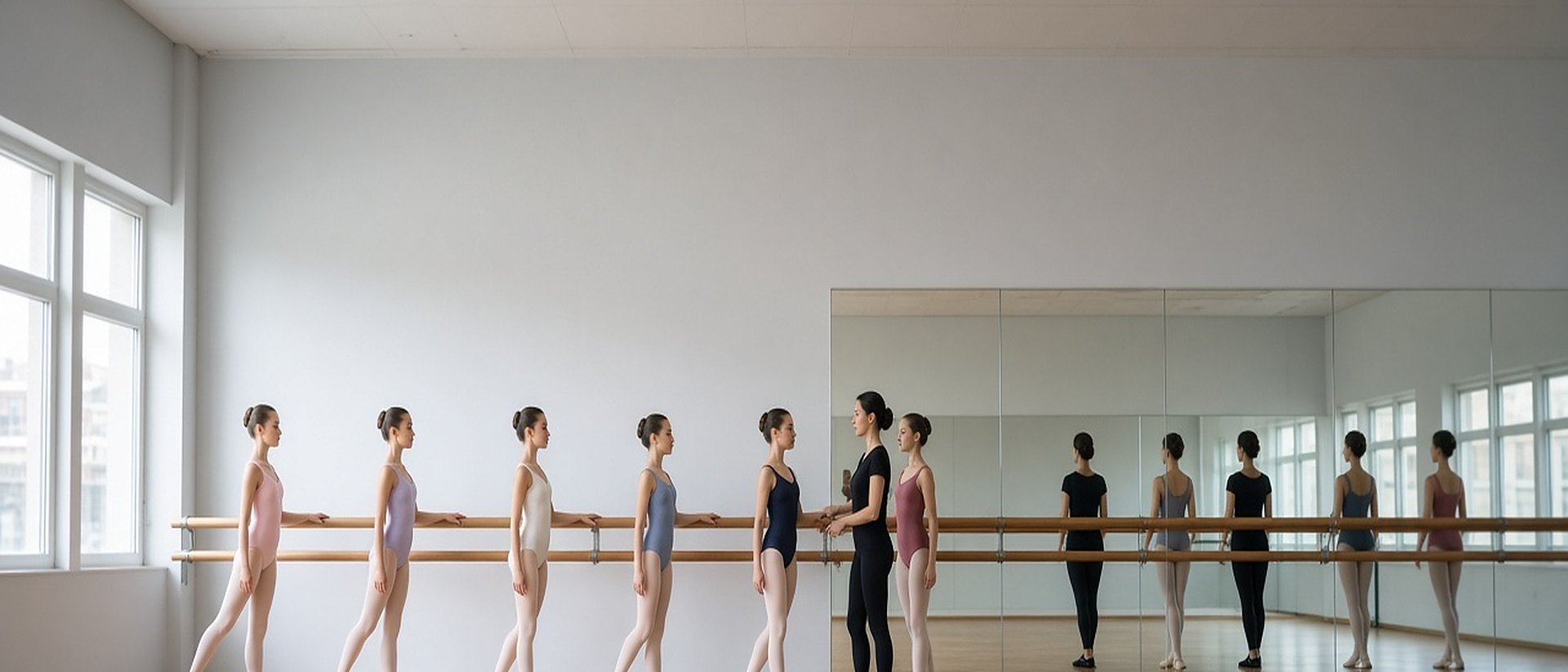
What is a real-world example of dance studio insurance protection in Kentucky?
Understanding the practical application of your policy helps illustrate its true value in a real-world setting. Imagine a common scenario where a young student is practicing a complex routine for an upcoming winter recital. During a difficult leap, the student lands awkwardly on the studio floor, resulting in a severe ankle injury that requires immediate medical attention. The distressed parents decide to hold the training facility responsible for the resulting medical expenses, claiming the practice floor was improperly maintained or that the instructor pushed the student too hard.
This exact scenario is where your liability protection becomes absolutely vital. Instead of draining your hard-earned business savings to cover expensive emergency room bills and potential legal defense fees, your policy addresses the claim on your behalf. The reality of these physical risks is significant across the entire performing arts industry. According to the Legal Landscape for Dance Studios 2026: Licensing & Liability, an average of 23,291 children received emergency treatment for dance-related injuries annually.
When a formal claim occurs, the insurance provider steps in to investigate the incident, handles all complex negotiations with the injured party, and pays out necessary settlements up to your chosen policy limits. This seamless process effectively shields your academy’s reputation and ensures its ongoing financial stability. The table below outlines a snapshot of these industry risks and how they typically manifest in daily facility operations.
| Risk category | Data point or impact | Source or context |
|---|---|---|
| Annual child injury treatments | 23,291 | Legal Landscape for Dance Studios 2026: Licensing & Liability |
| Common incident types | Sprains, strains, and fractures | Daily facility operations |
| Financial consequence | Medical bills and legal defense | Mitigated by liability policies |
Here’s what our clients are saying
How much does dance studio insurance cost in Kentucky?
Budgeting for commercial protection is a primary concern for facility owners who are already managing overhead costs like rent, utilities, and payroll. The exact price you pay depends on several distinct factors, including your physical location, projected annual revenue, total number of enrolled students, and the specific liability limits you choose to carry. Fortunately, the commercial market offers highly competitive rates for standard coverages, allowing owners to build a robust safety net without severely impacting their monthly bottom line.
Many savvy owners opt to bundle their primary coverages into a single package to save money and simplify their billing. For example, dance studios pay an average of $121 per month for a business owner’s policy (BOP), according to Dance Studio Insurance: Costs, Coverage & Hidden Gaps. This convenient bundle typically combines general liability and commercial property protection, offering a solid foundation for physical brick-and-mortar locations.
If you prefer to purchase policies individually or need to add specific mandatory lines like workers’ compensation to meet state requirements, the costs remain quite manageable. The pricing table below breaks down the average monthly premiums for individual policy types based on recent commercial market data.
| Coverage type | Average monthly cost | Source |
|---|---|---|
| Business owner’s policy (BOP) | $121 | Dance Studio Insurance: Costs, Coverage & Hidden Gaps |
| General liability insurance | $55 | Dance Studio Insurance: Costs, Coverage & Hidden Gaps |
| Professional liability coverage | $42 | Dance Studio Insurance: Costs, Coverage & Hidden Gaps |
| Workers’ compensation | $40 | Legal Landscape for Dance Studios 2026: Licensing & Liability |
What should you consider when looking for dance class insurance in Kentucky?
Selecting the right dance studio insurance requires a careful, methodical evaluation of your specific operational risks and local regulatory requirements. One major consideration is the physical property you own, lease, or rent. Custom sprung floors, wall-to-wall glass mirrors, and expensive surround sound systems need adequate property limits to ensure they can be replaced after a fire or severe storm. You must also closely review policy exclusions, as some carriers may completely exclude coverage for certain high-risk activities like aerial silks, gymnastics, or acrobatics unless you purchase an additional specific endorsement.
State law plays a massive role in shaping your exact coverage needs. For example, Kentucky requires workers’ compensation coverage once a business has 1+ employee, according to Kentucky Business Insurance Requirements & Costs (2026). Failing to meet this strict state mandate carries severe financial penalties that could bankrupt a small academy. Fines for not having workers’ compensation in Kentucky run $100 to $1,000 per employee for each day without it, per Kentucky Business Insurance Requirements & Costs (2026).
If your facility owns a shuttle or passenger van to transport competitive teams to regional events, you must also meet strict commercial auto requirements to remain legally compliant. Kentucky law (KRS 304.39-110) requires vehicle liability coverage of at least $25,000 for bodily injury to one person, according to Kentucky Business Insurance Requirements & Costs (2026). Furthermore, Kentucky law (KRS 304.39-110) requires vehicle liability coverage of at least $50,000 for all people injured in one accident, and Kentucky law (KRS 304.39-110) requires vehicle liability coverage of at least $25,000 for property damage, both sourced from the same Kentucky Business Insurance Requirements & Costs (2026) report.

What other insurance coverages are commonly paired with dance studio insurance?
While general and professional liability form the absolute core of your risk management strategy, a truly well-rounded portfolio often includes several other specialized policy types. Depending on your unique business model, you might host large winter recitals at off-site community theaters, sell branded apparel and merchandise in a lobby boutique, or employ a large staff of part-time instructors. Each of these standard activities introduces new liability exposures that standard base policies might not fully address.
Many careful owners choose to layer their protection to close any potential coverage gaps before a claim happens. For instance, commercial property protection is crucial if you own your building or have invested heavily in expensive studio build-outs. If you travel frequently for regional dance competitions, inland marine policies can protect your expensive costumes and portable sound equipment while they are in transit. Umbrella policies are also highly popular for adding extra liability limits above your primary coverages.
Understanding exactly how these different insurance products interact helps you build a much more resilient business model. The comparison table below highlights some of the most common complementary policies and explains exactly how they function alongside your primary coverage package.
| Related coverage type | Primary function | Relevance to facilities |
|---|---|---|
| Commercial property | Pays for damage to buildings and contents | Protects sprung floors, mirrors, and barres |
| Commercial auto | Covers liability and damage for business vehicles | Essential for competition team travel vans |
| Cyber liability | Addresses data breaches and cyber attacks | Protects student payment and personal data |
| Umbrella liability | Provides additional liability limits | Offers extra protection against severe lawsuits |
















What are key dance studio insurance statistics and trends in Kentucky?
Analyzing current industry trends helps facility owners anticipate emerging risks and make informed decisions about their commercial protection strategies. One prominent trend in Kentucky is the increasing state focus on strict regulatory compliance and labor laws. State agencies are actively enforcing workers’ compensation rules, meaning studios must be diligent about classifying their instructors correctly. Misclassifying an employee as an independent contractor can easily trigger the severe daily fines mentioned earlier, rapidly devastating a small business’s cash flow and threatening its ability to keep the doors open.
Another highly significant trend is the rising public awareness of physical safety and injury prevention among enrolled parents. With thousands of children requiring emergency medical attention for routine practice injuries nationwide, parents are much more likely to scrutinize a facility’s safety protocols and floor conditions. This heightened awareness directly translates to a much higher likelihood of liability claims if an accident occurs on your premises. Consequently, prudent owners are actively opting for higher general liability limits to ensure they are fully protected against increasingly costly medical and legal demands from injured parties.
Finally, we are seeing a distinct shift in how owners choose to purchase and structure their policies. To combat general economic inflation and steadily rising operational expenses, more facilities are taking advantage of bundled insurance packages. Securing a business owner’s policy offers a highly cost-effective way to lock in essential property and liability protections under one single roof. This streamlined approach not only reduces monthly premium costs but also significantly simplifies the administrative burden on busy academy directors who would rather focus on curriculum than paperwork.
Who needs dance studio insurance and how can you get a quote in Kentucky?
Determining exactly who needs this specialized protection is straightforward: if you teach movement, host group classes, or operate a physical training space, you need commercial coverage. This broad category includes independent ballet instructors, traveling hip-hop choreographers, and the owners of massive multi-room competitive training centers. Even if you only rent a small room at a local community center for a few hours a week, the property management facility will almost certainly require you to provide a valid certificate of liability before you can begin teaching your first class.
Navigating the commercial insurance market can feel overwhelming for busy educators, but you do not have to do it alone. We actively help hundreds of customers with dance studio insurance in Kentucky, ensuring they easily find the exact coverage limits required by state law and their commercial landlords. Our dedicated team deeply understands the unique nuances of the performing arts industry, from off-site recital risks to complex independent contractor classifications that frequently confuse new business owners.
We pride ourselves on consistently delivering exceptional customer service, backed by our highly rated Google My Business page and years of dedicated industry experience. Our fully licensed agents are ready to thoroughly review your current risk profile and identify any dangerous gaps in your existing portfolio. We can confidently offer tailored quotes without any sort of obligation, giving you the complete freedom to compare market rates and make the absolute best financial decision for your academy. Reach out to our team today to secure your business and keep your primary focus right where it belongs, on the dance floor.
Get in touch with our team!
For questions or concerns, please get in touch!
Email: info@hollymcmillininsurance.com
807 Main Street, Paris, Kentucky 40361
Mon-Thurs 9am-5pm; Fri 9am-4pm